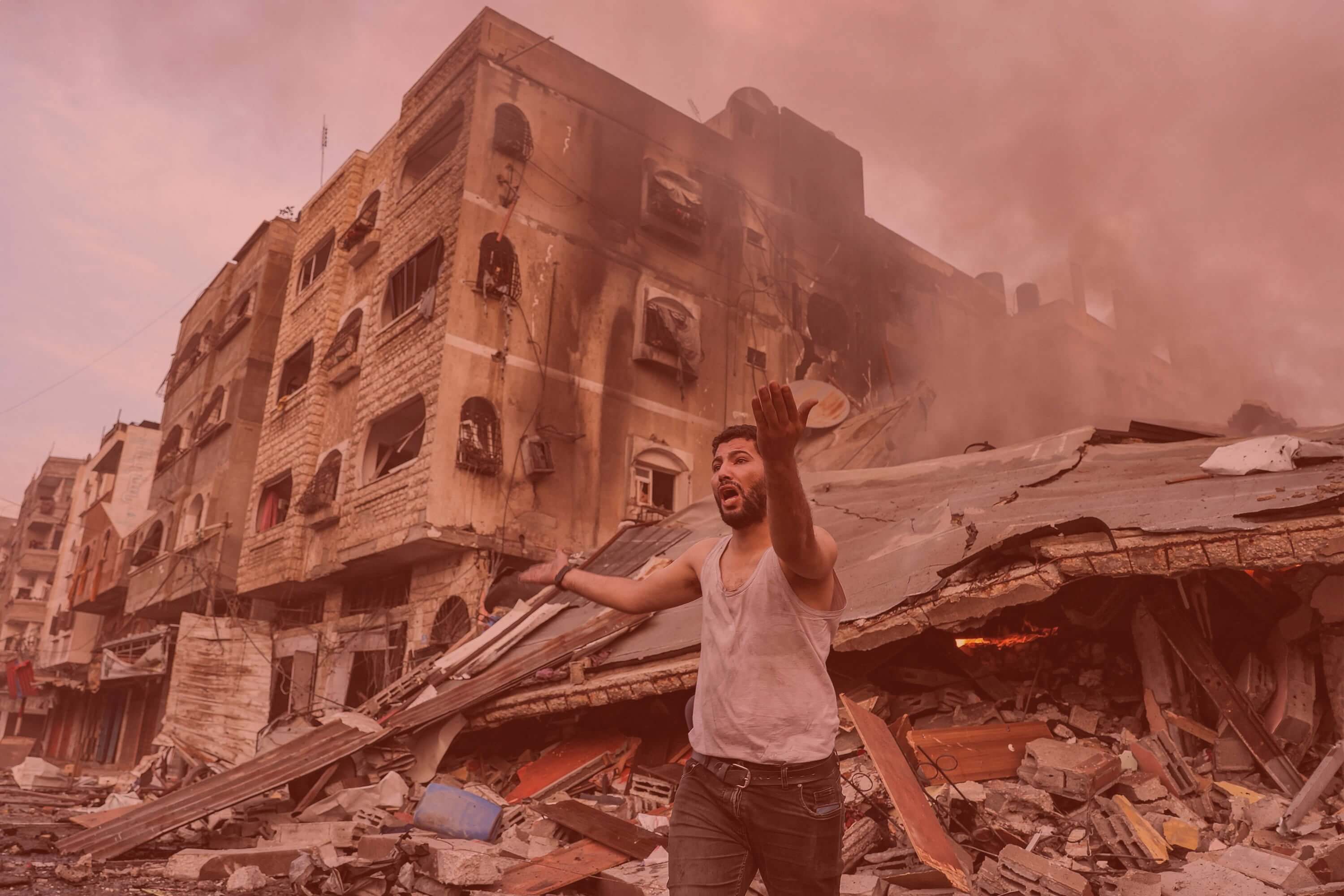




Prisons & Concentration camps (history)


 Children
 Home
Home People & Institutions
 Politics & Media
Fængsler & Koncentrationslejre er ikke på den officielle boykotliste (BDS), som du bør fokusere på først. Læs mere.Prisons & Concentration camps is not on the official boycott list (BDS), which you should focus on first. Read more.Prisons & Concentration camps ليس على قائمة المقاطعة الرسمية (BDS)، التي يجب أن تركز عليها أولاً. اقرأ المزيد.Prisons & Concentration camps resmi boykot listesinde (BDS) yer almıyor, önce odaklanmanız gereken budur. Daha fazla oku.Prisons & Concentration camps در فهرست رسمی تحریم (BDS) نیست، که باید ابتدا روی آن تمرکز کنید. بیشتر بخوانید.Prisons & Concentration camps steht nicht auf der offiziellen Boykottliste (BDS), auf die du dich zuerst konzentrieren solltest. Mehr lesen.Prisons & Concentration camps אינו נמצא ברשימת החרם הרשמית (BDS), שעליה עליך להתמקד תחילה. קרא עוד.




Why boycott?
According to the Palestinian human rights organization,
  Addameer, thousands of Palestinians, including
  children,
  women, elected
  politicians,
  doctors,
  journalists and ordinary civilians, are held in Israeli occupation prisons, concentration camps, and torture centers, with many detained without trial or concrete charges (source 1
 , source 2, source 3, source 4, source 5).
The
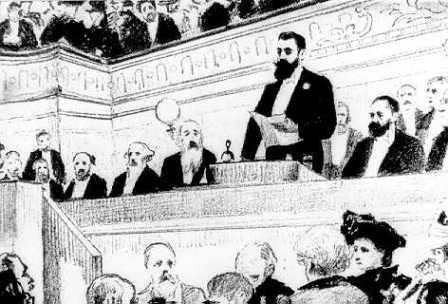 Zionist occupation state uses administrative detention to imprison Palestinians without filing charges or bringing them to court. These detentions can last indefinitely, being renewed every 3–6 months without a verdict. As of November 2023, more than 2,200 Palestinians are in administrative detention, the highest number in over 30 years. UN and human rights organizations consider this a violation of international law and a form of collective punishment (source 1, source 2, source 3: PDF, source 4, source 5, source 6).
Palestinian children in Zionist occupation prisons
The
occupation state is the only country in the world that systematically prosecutes children in military courts, where 99% of children are convicted. Each year, the occupation state imprisons 400–700 Palestinian children, often for allegations of stone-throwing. Many children report being beaten, threatened, or isolated during imprisonment, and they are interrogated without parents or lawyers present (source 1: PDF, source 2: PDF, source 3).
UN has repeatedly criticized the Zionist
occupation state prison practices, particularly administrative detention and the treatment of children.  Amnesty International and
  Human Rights Watch describe the occupation state's prison practices as a severe violation of human rights (source 1, source 2).
Hvorfor boykotte?
I følge denpalæstinensiske menneskerettighedsorganisation, Addameer, sidder der tusindvis af palæstinensere, herunder børn, kvinder, folkevalgte politikere, læger, journalister og almindelige civile, i israelske besættelsesfængsler, koncentrationslejre og torturcentre, og mange tilbageholdes uden rettergang eller konkret anklage (kilde 1, kilde 2, kilde 3, kilde 4, kilde 5).
Den
zionistiske besættelsesstat bruger administrativ tilbageholdelse til at fængsle palæstinensere uden at rejse sigtelse eller føre dem for en domstol. Disse tilbageholdelser kan vare i ubegrænset tid, da de fornyes hver 3.-6. måned uden dom. Per november 2023 sidder mere end 2.200 palæstinensere i administrativ tilbageholdelse, hvilket er det højeste antal i over 30 år. FN og menneskerettighedsorganisationer betegner det som en overtrædelse af international lov og en form for kollektiv afstraffelse (kilde 1, kilde 2, kilde 3: PDF-fil, kilde 4, kilde 5, kilde 6).
Palæstinensiske børn i zionistiske besættelsesfængsler
Besættelsesstaten er det eneste land i verden, der systematisk retsforfølger børn ved militærdomstole, hvor 99% af børnene bliver dømt. Hvert år fængsler besættelsesstaten 400-700 palæstinensiske børn, ofte for anklager om stenkast. Mange børn rapporterer om at blive slået, truet eller isoleret under fængslinger, og de afhøres uden forældres eller advokaters tilstedeværelse (kilde 1: PDF-fil, kilde 2: PDF-fil, kilde 3).
FN har gentagne gange kritiseret den zionistiske
besættelsesstats fængselspraksis, særligt brugen af administrativ tilbageholdelse og behandlingen af børn. Amnesty International og Human Rights Watch betegner besættelsesstatens fængselspraksis som en alvorlig krænkelse af menneskerettighederne (kilde 1, kilde 2).Why boycott?
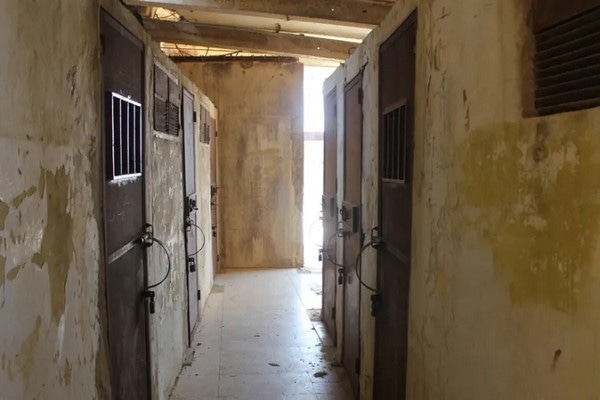
According to thePalestinian human rights organization, Addameer, thousands of Palestinians, including children, women, elected politicians, doctors, journalists and ordinary civilians, are held in Israeli occupation prisons, concentration camps, and torture centers, with many detained without trial or concrete charges (source 1, source 2, source 3, source 4, source 5).
The
Zionist occupation state uses administrative detention to imprison Palestinians without filing charges or bringing them to court. These detentions can last indefinitely, being renewed every 3–6 months without a verdict. As of November 2023, more than 2,200 Palestinians are in administrative detention, the highest number in over 30 years. UN and human rights organizations consider this a violation of international law and a form of collective punishment (source 1, source 2, source 3: PDF, source 4, source 5, source 6).
Palestinian children in Zionist occupation prisons
The
occupation state is the only country in the world that systematically prosecutes children in military courts, where 99% of children are convicted. Each year, the occupation state imprisons 400–700 Palestinian children, often for allegations of stone-throwing. Many children report being beaten, threatened, or isolated during imprisonment, and they are interrogated without parents or lawyers present (source 1: PDF, source 2: PDF, source 3).
UN has repeatedly criticized the Zionist
occupation state prison practices, particularly administrative detention and the treatment of children. Amnesty International and Human Rights Watch describe the occupation state's prison practices as a severe violation of human rights (source 1, source 2).لماذا المقاطعة؟
وفقًا لمنظمةحقوق الإنسان الفلسطينية، أدَمير، يوجد آلاف من الفلسطينيين، بما في ذلك الأطفال، النساء، السياسيين المنتخبين، الأطباء، الصحفيين والمدنيين العاديين، محتجزين في السجون الإسرائيلية، ومخيمات الاعتقال، ومراكز التعذيب، وكثير منهم محتجزون بدون محاكمة أو تهم محددة (المصدر 1, المصدر 2, المصدر 3, المصدر 4, المصدر 5).
الدولة
الصهيونية الاحتلالية تستخدم الاحتجاز الإداري لسجن الفلسطينيين بدون توجيه تهم أو تقديمهم إلى المحكمة. هذه الاعتقالات قد تستمر إلى أجل غير مسمى، وتتجدد كل 3–6 أشهر بدون حكم. حتى نوفمبر 2023، يوجد أكثر من 2,200 فلسطيني في الاحتجاز الإداري، وهو أعلى عدد خلال أكثر من 30 عامًا. تعتبر الأمم المتحدة ومنظمات حقوق الإنسان هذا انتهاكًا للقانون الدولي وشكلًا من أشكال العقاب الجماعي (المصدر 1, المصدر 2, المصدر 3: PDF, المصدر 4, المصدر 5, المصدر 6).
الأطفال الفلسطينيون في سجون الاحتلال الصهيوني
الدولة
الاحتلالية هي الدولة الوحيدة في العالم التي تحاكم الأطفال بشكل منهجي أمام محاكم عسكرية، حيث يُدان 99٪ من الأطفال. كل عام، تسجن الدولة المحتلة 400–700 طفل فلسطيني، غالبًا بتهمة رمي الحجارة. يبلغ العديد من الأطفال عن تعرضهم للضرب أو التهديد أو العزل أثناء السجن، ويتم استجوابهم بدون وجود الأهل أو المحامين (المصدر 1: PDF, المصدر 2: PDF, المصدر 3).
الأمم المتحدة انتقدت مرارًا ممارسات سجون الدولة
الصهيونية، خاصة الاحتجاز الإداري ومعاملة الأطفال. تصف منظمة العفو الدولية و هيومن رايتس ووتش ممارسات السجون في الدولة المحتلة بأنها انتهاك خطير لحقوق الإنسان (المصدر 1, المصدر 2).Neden boykot?
Filistinli insan hakları örgütü Addameer'e göre, Filistinliler arasında binlerce kişi, çocuklar, kadınlar, seçilmiş politikacılar, doktorlar, gazeteciler ve sıradan siviller, İsrail işgal hapishanelerinde, toplama kamplarında ve işkence merkezlerinde tutulmaktadır; çoğu yargılanmadan veya somut bir suçlama olmadan gözaltında tutulmaktadır (kaynak 1, kaynak 2, kaynak 3, kaynak 4, kaynak 5).
Siyonist işgal devleti, Filistinlileri suçlama yapmadan veya mahkemeye çıkarmadan idari gözaltına almaktadır. Bu gözaltılar süresiz olabilir ve her 3–6 ayda bir mahkeme kararı olmadan yenilenir. Kasım 2023 itibarıyla 2.200'den fazla Filistinli idari gözaltındadır; bu, son 30 yıldaki en yüksek sayıdır. BM ve insan hakları örgütleri bunu uluslararası hukuka aykırı ve toplu cezalandırma biçimi olarak değerlendirmektedir (kaynak 1, kaynak 2, kaynak 3: PDF, kaynak 4, kaynak 5, kaynak 6).
Siyonist işgal hapishanelerindeki Filistinli çocuklar
İşgal devleti, dünyadaki tek ülkedir ki çocukları askeri mahkemelerde sistematik olarak yargılar ve çocukların %99'u mahkûm edilir. Her yıl, işgal devleti 400–700 Filistinli çocuk'u, genellikle taş atma suçlamasıyla hapse atar. Birçok çocuk, hapis sırasında dövüldüklerini, tehdit edildiklerini veya izole edildiklerini bildiriyor ve aileleri veya avukatları olmadan sorgulanıyorlar (kaynak 1: PDF, kaynak 2: PDF, kaynak 3).
BM, Siyonist
işgal devletinin hapishane uygulamalarını, özellikle idari gözaltı ve çocukların muamelesini defalarca eleştirmiştir. Uluslararası Af Örgütü ve Human Rights Watch, işgal devletinin hapishane uygulamalarını ciddi bir insan hakları ihlali olarak tanımlamaktadır (kaynak 1, kaynak 2).چرا بویکاٹ کنیم؟
بر اساس گزارش سازمان حقوق بشریفلسطینی، عدمیر، هزاران فلسطینی، از جمله کودکان، زنان، سیاستمداران منتخب، پزشکان، خبرنگاران و شهروندان عادی، در زندانها، اردوگاهها و مراکز شکنجه اشغالگر اسرائیلی نگهداری میشوند و بسیاری بدون محاکمه یا اتهام مشخصی در بازداشت هستند (منبع 1، منبع 2، منبع 3، منبع 4، منبع 5).
دولت صهیونیستی اشغالگر از بازداشت اداری برای زندانی کردن فلسطینیها بدون ارائه اتهام یا محاکمه استفاده میکند. این بازداشتها میتوانند بهطور نامحدود ادامه یابند و هر ۳ تا ۶ ماه بدون حکم تمدید میشوند. تا نوامبر ۲۰۲۳، بیش از ۲۲۰۰ فلسطینی در بازداشت اداری هستند، که بالاترین رقم طی بیش از ۳۰ سال است. سازمان ملل و سازمانهای حقوق بشری این اقدام را نقض حقوق بینالملل و نوعی مجازات جمعی میدانند (منبع 1، منبع 2، منبع 3: PDF، منبع 4، منبع 5، منبع 6).
کودکان فلسطینی در زندانهای اشغالگر صهیونیستی
دولت اشغالگر تنها کشور در جهان است که کودکان را به صورت سیستماتیک در دادگاههای نظامی محاکمه میکند و ۹۹٪ آنها محکوم میشوند. هر سال، دولت اشغالگر ۴۰۰–۷۰۰ کودک فلسطینی را اغلب به اتهام پرتاب سنگ زندانی میکند. بسیاری از کودکان گزارش میدهند که در طول بازداشت مورد ضرب و تهدید یا انزوای اجباری قرار گرفتهاند و بدون حضور والدین یا وکیل بازجویی شدهاند (منبع 1: PDF، منبع 2: PDF، منبع 3).
سازمان ملل بارها به رویههای زندانهای
دولت صهیونیستی، به ویژه بازداشت اداری و رفتار با کودکان، انتقاد کرده است. عفو بینالملل و دیدبان حقوق بشر این رویهها را نقض جدی حقوق بشر میدانند (منبع 1، منبع 2).Warum boykottieren?
Laut derpalästinensischen Menschenrechtsorganisation Addameer sitzen Tausende Palästinenser, darunter Kinder, Frauen, gewählte Politiker, Ärzte, Journalisten und gewöhnliche Zivilisten, in israelischen Besatzungsgefängnissen, Konzentrationslagern und Folterzentren. Viele werden ohne Gerichtsverfahren oder konkrete Anklage festgehalten (Quelle 1, Quelle 2, Quelle 3, Quelle 4, Quelle 5).
Der
zionistische Besatzungsstaat nutzt administrative Inhaftierung, um Palästinenser einzusperren, ohne Anklage zu erheben oder sie vor Gericht zu bringen. Diese Inhaftierungen können unbegrenzt dauern und werden alle 3–6 Monate ohne Urteil verlängert. Im November 2023 befanden sich mehr als 2.200 Palästinenser in administrativer Haft – die höchste Zahl seit über 30 Jahren. UN und Menschenrechtsorganisationen betrachten dies als Verletzung des Völkerrechts und als Form der Kollektivstrafe (Quelle 1, Quelle 2, Quelle 3: PDF, Quelle 4, Quelle 5, Quelle 6).
Palästinensische Kinder in zionistischen Besatzungsgefängnissen
Der
Besatzungsstaat ist das einzige Land der Welt, das Kinder systematisch vor Militärgerichte stellt, wobei 99 % der Kinder verurteilt werden. Jedes Jahr inhaftiert der Besatzungsstaat 400–700 palästinensische Kinder, oft wegen des Vorwurfs des Steinewerfens. Viele Kinder berichten von Schlägen, Drohungen oder Isolierung während der Inhaftierung und werden ohne Anwesenheit von Eltern oder Anwälten verhört (Quelle 1: PDF, Quelle 2: PDF, Quelle 3).
UN hat die Gefängnispraktiken des zionistischen
Besatzungsstaates wiederholt kritisiert, insbesondere die Nutzung administrativer Haft und die Behandlung von Kindern. Amnesty International und Human Rights Watch bezeichnen die Gefängnispraktiken des Besatzungsstaates als schwerwiegende Menschenrechtsverletzung (Quelle 1, Quelle 2).למה להפסיק?
לפי ארגוןהזכויות אדם הפלסטיני, עדמיר, אלפי פלסטינים, כולל ילדים, נשים, פוליטיקאים נבחרים, רופאים, עיתונאים ואזרחים רגילים, מוחזקים בכלאים, מחנות ריכוז ומרכזי עינויים של ישראל, ורבים מהם עצורים ללא משפט או האשמה ברורה (מקור 1, מקור 2, מקור 3, מקור 4, מקור 5).
המדינה
הציונית הכובשת משתמשת במעצר מנהלי כדי לאסור פלסטינים ללא הגשת אישום או הבאתם לבית משפט. מעצרים אלו יכולים להימשך ללא הגבלה ומחדשים כל 3–6 חודשים ללא פסק דין. בנובמבר 2023, יותר מ-2,200 פלסטינים היו במעצר מנהלי – המספר הגבוה ביותר ב-30 השנים האחרונות. האום וארגוני זכויות אדם רואים בכך הפרה של החוק הבינלאומי וצורת ענישה קולקטיבית (מקור 1, מקור 2, מקור 3: PDF, מקור 4, מקור 5, מקור 6).
ילדים פלסטינים בבתי כלא של הכיבוש הציוני
מדינת הכיבוש היא המדינה היחידה בעולם שמדפיסה באופן שיטתי ילדים בפני בתי משפט צבאיים, כש-99% מהילדים מורשעים. מדי שנה, מדינת הכיבוש כופה מאסר על 400–700 ילדים פלסטינים, לרוב בגין הטלת אבנים. ילדים רבים מדווחים על אלימות, איומים או בידוד במהלך המאסר, ומרואיינים ללא נוכחות הורים או עורכי דין (מקור 1: PDF, מקור 2: PDF, מקור 3).
האום ביקר פעמים רבות את מדיניות בתי הכלא של
המדינה הציונית, במיוחד את השימוש במעצר מנהלי ואת הטיפול בילדים. אמנסטי אינטרנשיונל ו-Human Rights Watch מתארים את מדיניות בתי הכלא של מדינת הכיבוש כהפרה חמורה של זכויות האדם (מקור 1, מקור 2).Brands fra Fængsler & KoncentrationslejreBrands from Prisons & Concentration campsبراندات من Prisons & Concentration campsPrisons & Concentration camps markalarıبرندها از Prisons & Concentration campsBrands von Prisons & Concentration campsמותגים מ Prisons & Concentration camps
RødRedأحمرKırmızıقرمزRotאדום (0)GulYellowأصفرSarıزردGelbצהוב (0)GrønGreenأخضرYeşilسبزGrünירוק (0)BdsBdsBdsBdsBdsBdsBds (0)NulstilResetإعادة تعيينSıfırlaبازنشانیZurücksetzenאיפוס



Ejere af Fængsler & KoncentrationslejreOwners of Prisons & Concentration campsأصحاب Prisons & Concentration campsPrisons & Concentration camps sahipleriصاحبان Prisons & Concentration campsBesitzer von Prisons & Concentration campsבעלי Prisons & Concentration camps
RødRedأحمرKırmızıقرمزRotאדום (0)GulYellowأصفرSarıزردGelbצהוב (0)GrønGreenأخضرYeşilسبزGrünירוק (0)BdsBdsBdsBdsBdsBdsBds (0)NulstilResetإعادة تعيينSıfırlaبازنشانیZurücksetzenאיפוס



Alternativer til Fængsler & KoncentrationslejreAlternatives to Prisons & Concentration campsبدائل لـ Prisons & Concentration campsPrisons & Concentration camps için alternatiflerجایگزینها برای Prisons & Concentration campsAlternativen zu Prisons & Concentration campsאלטרנטיבות ל-Prisons & Concentration camps
Updated: 05/11-2025.
Report Prisons & Concentrat...
Have you noticed an error, want to report Prisons & Concentration camps (history), or suggest alternatives? You can do it here, and we will investigate and correct it as soon as possible.